How Hydera Helps You Stay Compliant with Industry Regulations 

How Hydera Helps You Stay Compliant with Industry Regulations 

Staying compliant in the ISO tank industry requires more than good intentions—it demands a system designed to anticipate, control, and continuously improve safety practices. At Hydera, we take compliance seriously by embedding it into every aspect of our operations. From Process Safety Management (PSM) to Risk Management Planning (RMP), we align our practices with OSHA and EPA standards to protect employees, communities, and the environment. 

Process Safety Management (PSM): Protecting People and Operations 

Hydera’s operations are designed in full alignment with the OSHA Process Safety Management (PSM) standard. The goal of PSM is simple but critical: to prevent serious accidents by identifying hazards, verifying controls, and ensuring safe operational procedures. 

  • We operate under the oversight of OSHA and the EPA as part of the Clean Air Act Amendments (CAAA), which mandate reducing the risk of chemical accidents. 
  • Hazard identification and mitigation are built into every phase of our workflow. 
  • Commitment to safety is more than a checklist—it’s a core value. 

At Hydera, PSM is a living system. We constantly review, update, and improve our processes based on new insights and lessons learned. 

Risk Management Planning (RMP): Minimizing Risk at Every Step 

As a subset of PSM, Risk Management Planning (RMP) is central to how Hydera manages complex cleaning and handling operations. Our RMP efforts include: 

  • Clearly defined operating procedures and safe work practices 
  • Robust asset integrity and maintenance programs 
  • Comprehensive staff training and management of change protocols 
  • Detailed emergency response plans 

We conduct regular audits and performance reviews to evaluate our risk controls, ensuring that continuous improvement isn’t just a goal—it’s a standard. 

Continuous Compliance, Zero Compromise 

Staying compliant means staying proactive. By integrating PSM and RMP into the heart of our operation, Hydera reduces risk, enhances safety, and ensures regulatory alignment at every level. 

Want to work with a tank cleaning partner you can trust to stay compliant and safe? Contact Hydera today to learn how we help you meet—and exceed—industry regulations. 
How to Avoid ISO Tank Cleaning Mistakes

How to Avoid ISO Tank Cleaning Mistakes

ISO tank cleaning might seem straightforward, but experienced operators know better. Mistakes in the cleaning process can lead to contamination, costly rework, and serious safety risks. So, what sets the best tank cleaning facilities apart? Attention to detail, consistent procedures, and commitment to safety. 

Here are the key steps to avoid costly and dangerous ISO tank cleaning mistakes. 

  1. Pre-Cleaning Product Review

Start with the basics: obtain and review the Safety Data Sheet (SDS) for the previous product. Confirm your facility and staff are equipped to safely clean the tank under all permit and regulatory requirements, including proper handling of vapors, liquid residue, and wastewater. 

  • Prioritize employee, community, and environmental safety. 
  • Tailor cleaning instructions for the specific product hazards. 
  1. Pre-Cleaning Inspection

Before starting the cleaning process, safely inspect the tank interior, especially if there’s a risk of leftover product or “heel.” Use fall protection and proper tools. 

  • Check for residue and understand the product’s hazards. 
  • Assess internal condition and choose safe cleaning methods. 
  1. Create the Right Cleaning Recipe

A one-size-fits-all approach won’t work. Choose a cleaning method that fits the product and aligns with the facility’s permit limits for vapor and effluent processing. 

  • Avoid solvents or procedures that increase waste or water use. 
  • The wrong method could worsen the problem or create a safety hazard. 
  1. Know Your Cleaning Medium

Understand how your cleaning materials are used: Are they single-use, recycled, or recirculated? Are they properly diluted for safe and effective cleaning? 

  • Incorrect concentrations waste time and money. 
  • Over-concentrated or under-diluted agents may damage tanks. 
  1. Don’t Cut Corners 

Skipping steps can lead to contamination, rework, and financial risk. Every cleaning should include: 

  • Analysis 
  • Planning 
  • Pre-clean inspection 
  • Full cleaning cycle 
  • Rinsing, drying, and final inspection 

Do it right the first time. 

  1. Know the Tank Type

Not all tanks are created equal. Baffled tanks, for example, are more challenging and may require multiple cleaning cycles to reach behind internal barriers. 

  • Understand the internal structure and valve layout before cleaning. 
  1. Document and Improve

Build a database of cleaning processes based on product type and manufacturer. Even similar products can require different cleaning methods based on chemical composition. 

  • Keep your cleaning procedures repeatable and adaptable. 
  • Review SDS updates regularly. 
  1. Don’t Forget Valves and Gaskets 

Even if the tank looks clean, odors can linger. Many products require removal and replacement of manlid gaskets—especially in baffled tanks. 

  • Check valves and fittings for buildup or odor-causing residue. 
  • Ensure tanks meet “clean/dry/odor-free” standards. 
  1. Engage and Train Your Team

Tank cleaning is only as effective as the people behind it. Regular team meetings and safety reviews ensure your staff is up to date on: 

  • New product cleaning methods 
  • Industry regulations 
  • Process improvements 

A well-trained, engaged staff is your best defense against cleaning mistakes. 

Avoiding tank cleaning mistakes isn’t about luck—it’s about diligent preparation, correct procedures, and experienced staff. At Hydera, we make safety and quality our top priorities with every tank we clean. 

Need reliable ISO tank cleaning and maintenance? Contact Hydera today to keep your operations running safely and smoothly. 


The Hidden Costs of Poor ISO Tank Cleaning

The Hidden Costs of Poor ISO Tank Cleaning

When it comes to ISO tanks, cleaning is more than a box to check—it’s a critical quality control step. Cutting corners can lead to costly consequences across your operation. From financial setbacks to safety risks, here’s what’s really at stake when tank cleaning is overlooked or poorly executed. 

  1. Financial Costs Add Up Fast

Failed cleanings lead to sunk operational costs, such as: 

  • Truck loading delays and driver standby time 
  • Routing deviations and rescheduling 
  • Recleaning, retesting, and unnecessary lifting 

Each misstep drains time, money, and resources. And if product contamination occurs, the financial liability can be severe, not just in lost product, but in damage claims, fines, and replacement shipments. 

  1. Physical and Metallurgical Damage

Incomplete cleaning doesn’t just threaten the next cargo—it can harm the tank itself. Residual cargo and leftover catalysts can react with new materials, potentially leading to: 

  • Corrosion 
  • Pitting of the tank shell 
  • Reduced tank lifespan and costly repairs 

What looks like a minor oversight today can evolve into expensive damage tomorrow. 

  1. Damage to Reputation

In the tank transport industry, trust is everything. A single incident of contamination or service failure can: 

  • Diminish customer confidence 
  • Lead to loss of future contracts 
  • Tarnish your brand for the long term 

Few customers will praise a company after a failure, but they’ll remember who caused it. 

  1. Safety Risks That Should Never Be Ignored

Poor cleaning is a red flag for deeper issues—especially around safety. Improper cleaning can signal: 

  • Inattention to process and detail 
  • Lack of proper SOPs and oversight 
  • Increased risk of chemical reactions or hazardous exposures 

Simply put, a poorly cleaned tank is a safety hazard. 

Protect Your Bottom Line, Reputation, and People 

At Hydera, we believe quality cleaning is non-negotiable. Our team follows strict cleaning, repair, and testing protocols to ensure your tanks are safe, compliant, and ready for service. 

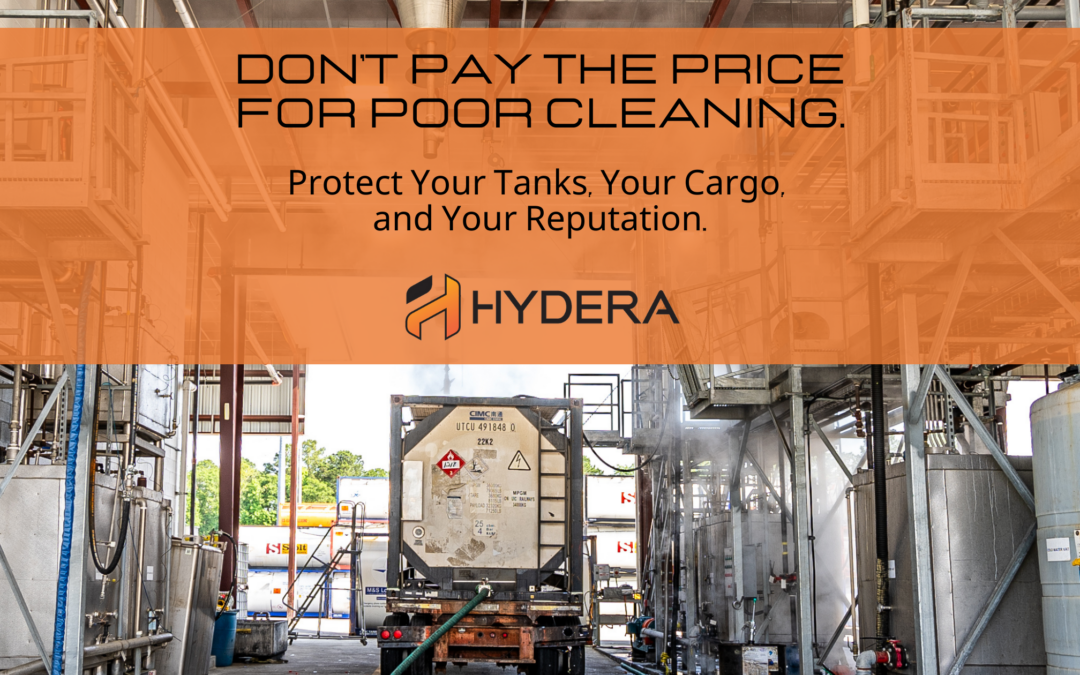
Don’t pay the price for poor tank cleaning. Partner with Hydera for reliability, safety, and peace of mind. 


A Greener Clean: Environmentally Sustainable Practices in ISO Tank Cleaning

A Greener Clean: Environmentally Sustainable Practices in ISO Tank Cleaning

Sustainability is a growing priority in ISO tank cleaning, with facilities adopting eco-friendly methods to reduce waste, conserve resources, and minimize environmental impact. 

Optimizing Water Usage 

Efficient water management is key to sustainability. Closed-loop water recycling systems and high-efficiency effluent treatment reduce freshwater consumption, while high-pressure, low-volume cleaning minimizes waste without sacrificing effectiveness. 

Eco-Friendly Cleaning Agents 

Choosing biodegradable, pH-neutral, and non-toxic cleaning agents lowers the strain on wastewater treatment systems and reduces environmental hazards. Chemical processing also neutralizes dangerous goods, preventing contamination. 

Wastewater Treatment & Proper Disposal 

Wastewater must be treated on-site or off-site to remove contaminants before discharge or reuse. Proper handling of sludge and chemical residues prevents soil and water pollution, ensuring compliance with environmental regulations. 

Facility Maintenance & Pollution Prevention 

Regular maintenance of pumps, hoses, pipelines, and waste treatment systems prevents leaks, spills, and unintended discharges, protecting both the environment and operational efficiency. 

Training & Sustainable Procedures 

Staff training in sustainable cleaning, waste management, and resource conservation ensures best practices at every stage. Standard operating procedures (SOPs) should prioritize environmental responsibility. 

Building a Greener Future in ISO Tank Cleaning 

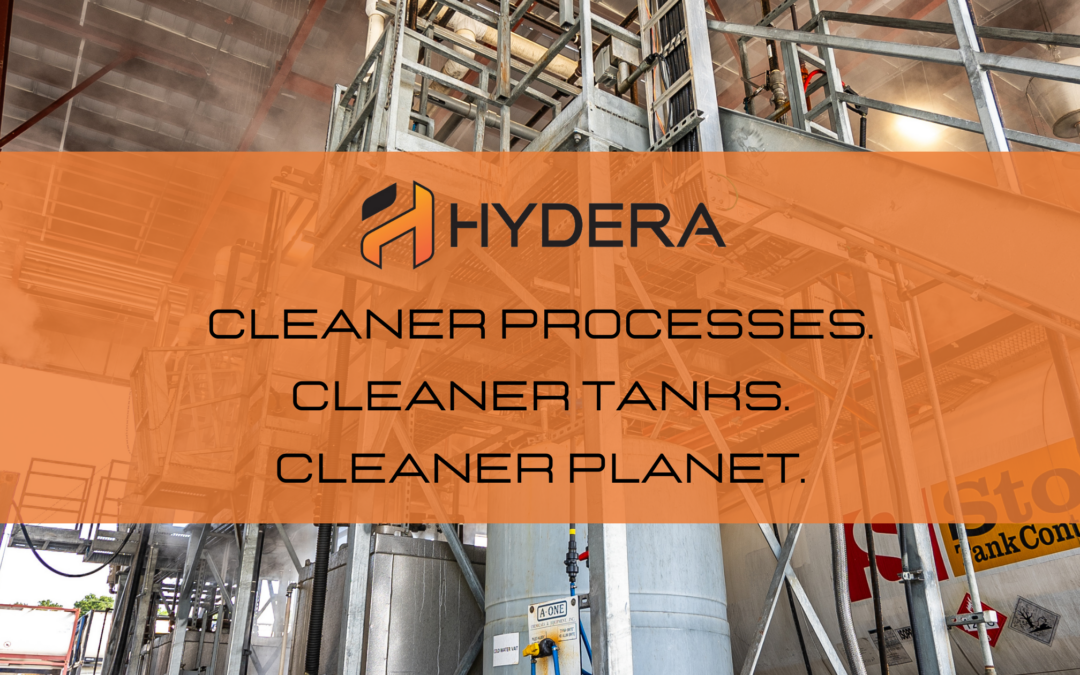
By adopting water-saving technologies, eco-friendly chemicals, responsible waste disposal, and proactive maintenance, ISO tank cleaning facilities can reduce their environmental footprint while maintaining high industry standards. 

Looking for sustainable ISO tank cleaning solutions? Contact Hydera today to learn more. 


ISO Tank vs. Drums – Which Is Right for Your Business?

ISO Tank vs. Drums – Which Is Right for Your Business?

When it comes to bulk liquid transportation, businesses often face a choice: ISO tanks or drums? Both have their advantages, but understanding capacity, efficiency, and long-term costs can help determine the right solution. 

Capacity & Efficiency 

A standard 20-foot ISO tank holds up to 6,870 gallons (26,000 liters) of liquid, accounting for safety tolerances and regulatory requirements. In contrast, a 20-foot dry container can fit approximately 80 x 55-gallon drums, equating to 4,400 gallons of liquid, about 55% less capacity than an ISO tank. 

Beyond volume, ISO tanks streamline operations by reducing handling requirements. Instead of managing, loading, and unloading up to 140 drums to transport the same amount of product, businesses can rely on a single, homogenous transport solution. 

Minimizing Risk & Contamination 

Each drum represents a potential point of contamination or leakage. In contrast, ISO tanks are: 

  • Designed for safe, sealed transport minimizing exposure to contaminants. 
  • Rigorously tested for tightness ensuring leak-free delivery. 
  • Equipped for heating capabilities making them suitable for temperature-sensitive cargo. 
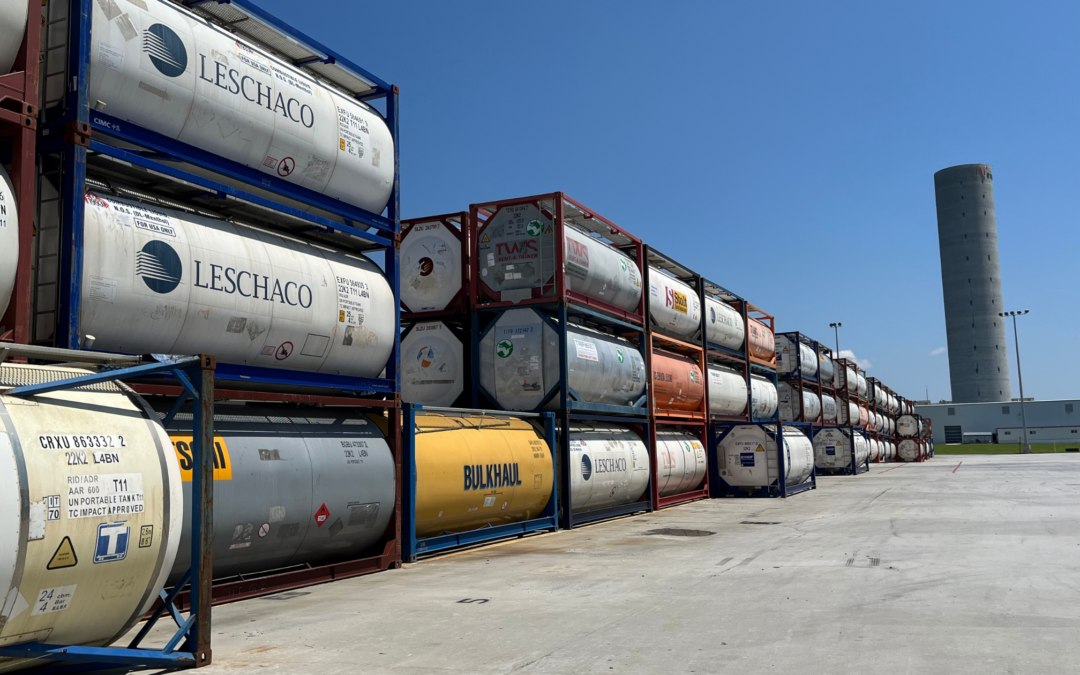
  • Stackable and storable maximizing warehouse and transport efficiency. 

Sustainability & Reusability 

ISO tanks are a long-term investment, with many in operation for over 30 years. They are reusable and built for durability across multiple transport methods, including trucks, rail flatcars, container ships & barges, and cargo aircraft holds 

In contrast, drums are often single-use. Some are cleaned and reused, but many are disposed of after just one load, increasing waste and environmental impact. 

When Drums Are the Right Choice 

While ISO tanks provide greater efficiency for high-volume transport, drums still serve a valuable purpose. Drums work best for: 

  • Smaller volume transactions that do not require bulk transport. 
  • Varied product grades shipped together to restock inventory with multiple liquid types. 
  • Direct-to-consumer or small-scale distribution for businesses selling specialized product grades. 

Making the Right Choice 

For businesses looking to maximize efficiency, reduce handling, and prioritize sustainability, ISO tanks offer a cost-effective, high-volume transport solution. However, for smaller shipments or varied inventory needs, drums may provide greater flexibility. 

Need help determining the best option for your operations? Contact Hydera today for expert guidance on ISO tank transport, cleaning, and maintenance solutions.