How Often Should You Clean Your ISO Tank?

How Often Should You Clean Your ISO Tank?

Would you drink from a dirty glass? Of course not. The same principle applies to ISO tanks. Whether they transport food-grade products, chemicals, or hazardous materials, cleanliness and integrity are paramount. A contaminated tank can compromise product quality, violate regulatory standards, and pose environmental risks. That’s why ISO tank cleaning and repair are critical components of safe and efficient bulk liquid transportation.

The Importance of ISO Tank Cleaning

ISO tanks are designed for repeated use, but each load must be thoroughly cleaned before the next product is introduced. Even trace amounts of residue can lead to cross-contamination, spoilage, or hazardous reactions. Proper cleaning ensures:

  • Product Integrity: Every load arrives pure, uncontaminated, and ready for use.
  • Regulatory Compliance: Cleaning protocols meet industry and government safety standards.
  • Customer Satisfaction: Clients receive high-quality, untainted products.
  • Environmental Responsibility: Prevents harmful substances from entering waterways or ecosystems.

Why ISO Tank Repair & Maintenance Matter

ISO tanks endure harsh conditions, including high-pressure loads, corrosive chemicals, and extreme temperatures. Without routine maintenance, leaks and structural failures can occur, leading to environmental damage, financial loss, and reputational harm. That’s why leak testing, valve inspections, and periodic recertification are essential.

Proper tank repair and maintenance ensure:

  • Leak Prevention: Protecting communities and the environment from spills.
  • Extended Equipment Lifespan: Reducing costly repairs and replacements.
  • Regulatory Adherence: Keeping tanks certified for safe operation.
  • Reliability & Safety: Ensuring transporters and customers operate with confidence.

ISO Tank Services: A Commitment to Quality & Safety

At Hydera, we specialize in comprehensive ISO tank cleaning, repair, and maintenance to uphold the highest industry standards. Whether it’s routine washouts, leak testing, or full refurbishments, we help businesses maintain compliance, protect their cargo, and operate with peace of mind.

Want to learn more about ISO tank care? Contact us today to ensure your fleet stays safe, clean, and operational.
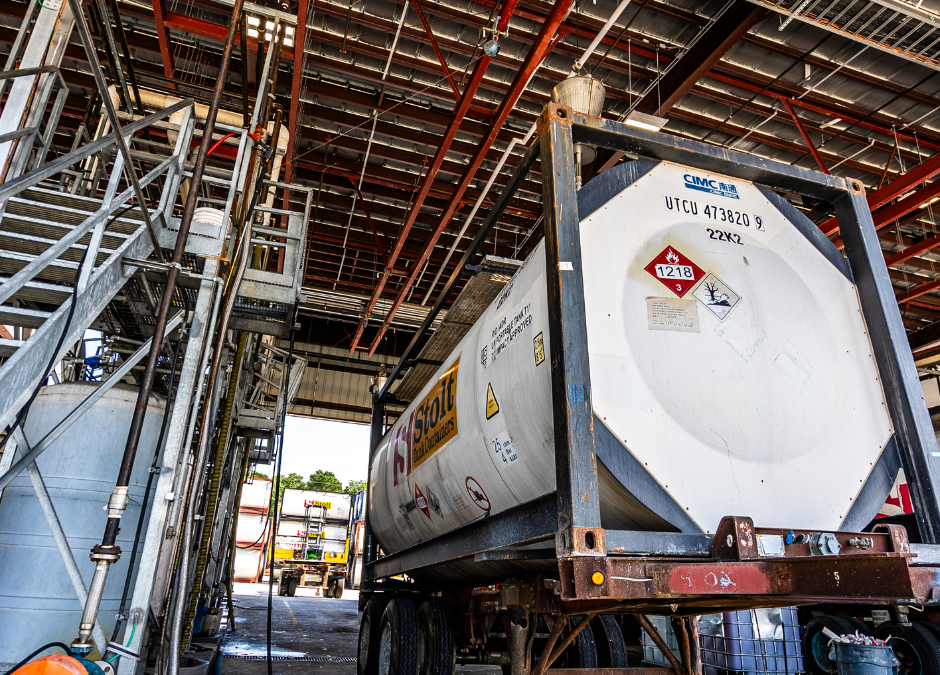
Spotting Tank Contamination Before It Becomes a Problem 

Spotting Tank Contamination Before It Becomes a Problem 

When it comes to ISO tank transport, contamination isn’t just a risk—it’s a liability. Preventing contamination starts with proper inspection and attention to detail before loading begins. At Hydera, we believe that proactive measures and informed personnel can prevent costly mistakes down the line. 

Inspect Before You Load 

Whenever OSHA and facility regulations permit, everyone involved in the loading process should thoroughly inspect the tank to ensure it is: 

  • Clean 
  • Dry 
  • Odor-free 

These three elements—clean, dry, and odor-free—are the gold standard for a load-ready tank. 

Safety First: Never Assume It’s Safe to Enter 

NEVER enter or insert your head into a tank without absolute confirmation that it is safe to do so. Before any internal inspection: 

  • Check for nitrogen purge or harmful vapors. 
  • Verify tank atmosphere with an oxygen meter and LEL (Lower Explosive Limit) meters. 

These precautions ensure safe entry and help prevent exposure to dangerous gases or oxygen-deficient environments. 

Loading Plant Responsibility 

The loading facility has the final authority to accept or reject a tank for loading. This process should always include: 

  • A visual inspection of the tank interior 
  • Examination of all valves and fittings 
  • Immediate rejection of any tank with visible residue or odor 

Tanks found to have residual product should be returned for rework—no exceptions. 

Environmental Awareness Matters 

Even after a tank has passed inspection, external conditions can influence its readiness to load. Drivers and plant personnel should consider: 

  • Weather and temperature changes between cleaning and loading 
  • Time elapsed since tank cleaning or repair 
  • Tank acceptance conditions at the time of pickup 

Sudden changes in temperature or extended holding times can lead to condensation, odor retention, or unexpected contamination, especially in tanks with minimal turnaround time. 

Final Word: Proactive Inspections Prevent Problems 

Every tank rejected at the loading rack is a missed opportunity to prevent contamination earlier in the process. Make inspections part of your routine. Take the extra time, follow the right protocols, and keep your product—and your reputation—safe. 

Need dependable, contamination-preventing cleaning and repair? Contact Hydera today for expert service you can trust.

Keeping It Clean: How ISO Tank Maintenance Protects Your Product and Reputation

Keeping It Clean: How ISO Tank Maintenance Protects Your Product and Reputation

Would you drink from a dirty glass? Of course not. The same principle applies to ISO tanks. Whether they transport food-grade products, chemicals, or hazardous materials, cleanliness and integrity are paramount. A contaminated tank can compromise product quality, violate regulatory standards, and pose environmental risks. That’s why ISO tank cleaning and repair are critical components of safe and efficient bulk liquid transportation.

The Importance of ISO Tank Cleaning

ISO tanks are designed for repeated use, but each load must be thoroughly cleaned before the next product is introduced. Even trace amounts of residue can lead to cross-contamination, spoilage, or hazardous reactions. Proper cleaning ensures:

  • Product Integrity: Every load arrives pure, uncontaminated, and ready for use.
  • Regulatory Compliance: Cleaning protocols meet industry and government safety standards.
  • Customer Satisfaction: Clients receive high-quality, untainted products.
  • Environmental Responsibility: Prevents harmful substances from entering waterways or ecosystems.

Why ISO Tank Repair & Maintenance Matter

ISO tanks endure harsh conditions, including high-pressure loads, corrosive chemicals, and extreme temperatures. Without routine maintenance, leaks and structural failures can occur, leading to environmental damage, financial loss, and reputational harm. That’s why leak testing, valve inspections, and periodic recertification are essential.

Proper tank repair and maintenance ensure:

  • Leak Prevention: Protecting communities and the environment from spills.
  • Extended Equipment Lifespan: Reducing costly repairs and replacements.
  • Regulatory Adherence: Keeping tanks certified for safe operation.
  • Reliability & Safety: Ensuring transporters and customers operate with confidence.

ISO Tank Services: A Commitment to Quality & Safety

At Hydera, we specialize in comprehensive ISO tank cleaning, repair, and maintenance to uphold the highest industry standards. Whether it’s routine washouts, leak testing, or full refurbishments, we help businesses maintain compliance, protect their cargo, and operate with peace of mind.

Want to learn more about ISO tank care? Contact us today to ensure your fleet stays safe, clean, and operational.