
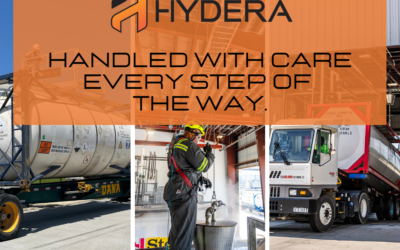
How Hydera Helps You Stay Compliant with Industry Regulations
Staying compliant in the ISO tank industry requires more than good intentions—it demands a system designed to anticipate, control, and continuously improve safety practices. At Hydera, we take compliance seriously by embedding it into every aspect of our operations....
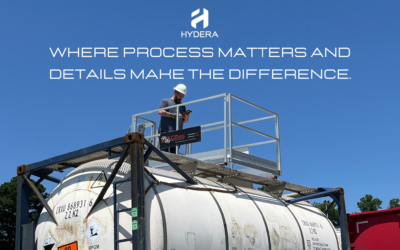
How to Avoid ISO Tank Cleaning Mistakes
ISO tank cleaning might seem straightforward, but experienced operators know better. Mistakes in the cleaning process can lead to contamination, costly rework, and serious safety risks. So, what sets the best tank cleaning facilities apart? Attention to detail,...
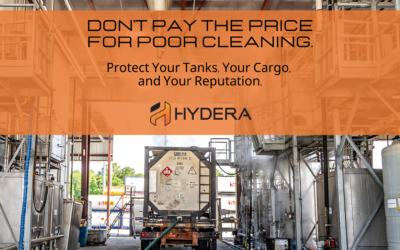
The Hidden Costs of Poor ISO Tank Cleaning
When it comes to ISO tanks, cleaning is more than a box to check—it’s a critical quality control step. Cutting corners can lead to costly consequences across your operation. From financial setbacks to safety risks, here’s what’s really at stake when tank cleaning is...
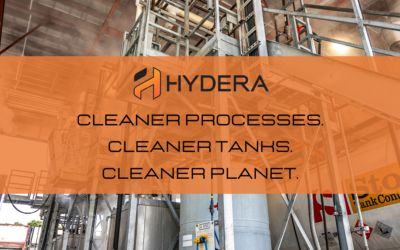
A Greener Clean: Environmentally Sustainable Practices in ISO Tank Cleaning
Sustainability is a growing priority in ISO tank cleaning, with facilities adopting eco-friendly methods to reduce waste, conserve resources, and minimize environmental impact. Optimizing Water Usage Efficient water management is key to sustainability. Closed-loop...
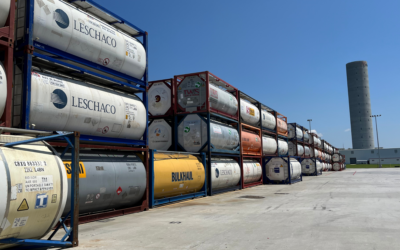
ISO Tank vs. Drums – Which Is Right for Your Business?
When it comes to bulk liquid transportation, businesses often face a choice: ISO tanks or drums? Both have their advantages, but understanding capacity, efficiency, and long-term costs can help determine the right solution. Capacity & Efficiency A standard...

How Often Should You Clean Your ISO Tank?
Would you drink from a dirty glass? Of course not. The same principle applies to ISO tanks. Whether they transport food-grade products, chemicals, or hazardous materials, cleanliness and integrity are paramount. A contaminated tank can compromise product quality,...