
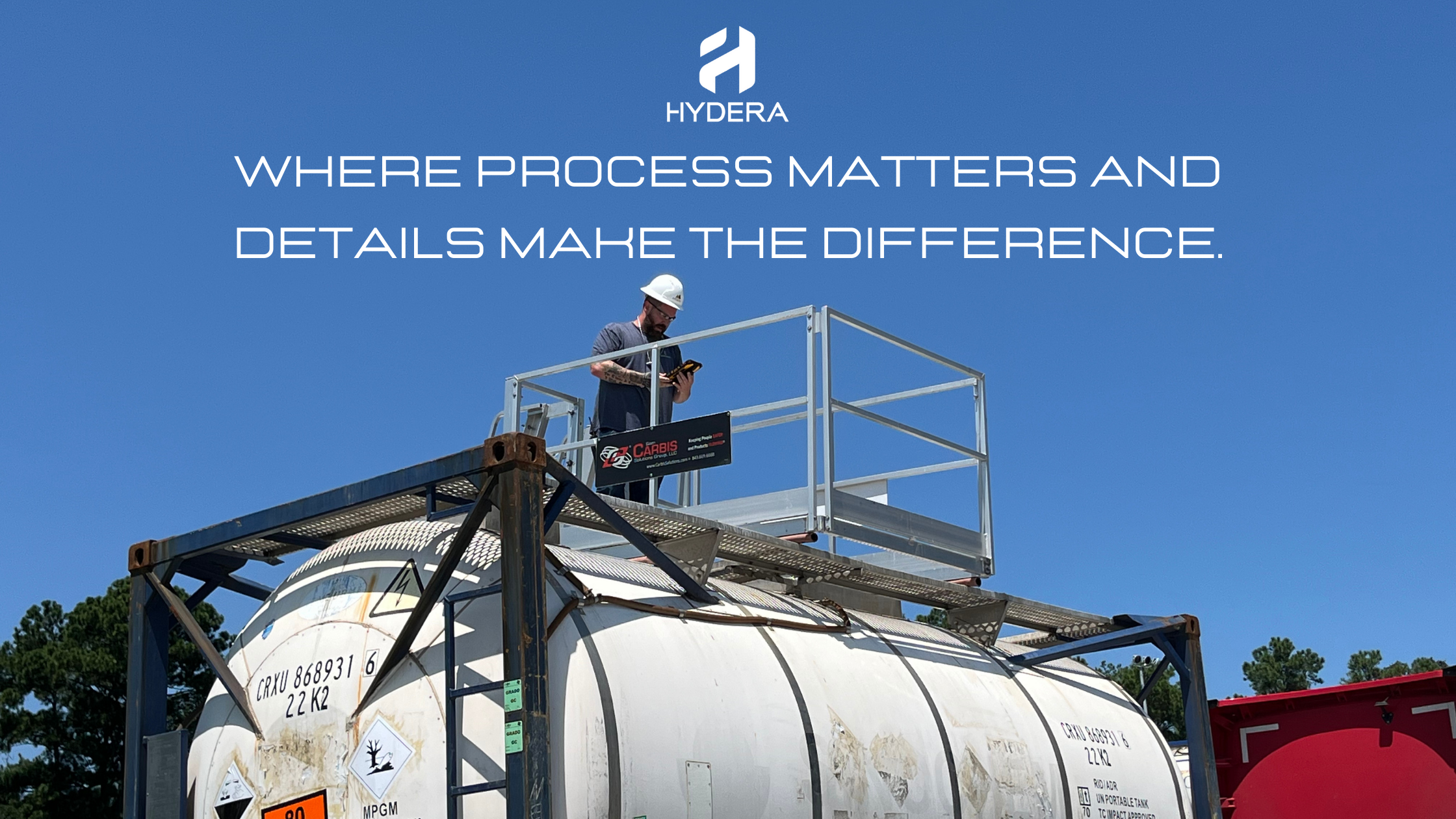
ISO tank cleaning might seem straightforward, but experienced operators know better. Mistakes in the cleaning process can lead to contamination, costly rework, and serious safety risks. So, what sets the best tank cleaning facilities apart? Attention to detail, consistent procedures, and commitment to safety.
Here are the key steps to avoid costly and dangerous ISO tank cleaning mistakes.
- Pre-Cleaning Product Review
Start with the basics: obtain and review the Safety Data Sheet (SDS) for the previous product. Confirm your facility and staff are equipped to safely clean the tank under all permit and regulatory requirements, including proper handling of vapors, liquid residue, and wastewater.
- Prioritize employee, community, and environmental safety.
- Tailor cleaning instructions for the specific product hazards.
- Pre-Cleaning Inspection
Before starting the cleaning process, safely inspect the tank interior, especially if there’s a risk of leftover product or “heel.” Use fall protection and proper tools.
- Check for residue and understand the product’s hazards.
- Assess internal condition and choose safe cleaning methods.
- Create the Right Cleaning Recipe
A one-size-fits-all approach won’t work. Choose a cleaning method that fits the product and aligns with the facility’s permit limits for vapor and effluent processing.
- Avoid solvents or procedures that increase waste or water use.
- The wrong method could worsen the problem or create a safety hazard.
- Know Your Cleaning Medium
Understand how your cleaning materials are used: Are they single-use, recycled, or recirculated? Are they properly diluted for safe and effective cleaning?
- Incorrect concentrations waste time and money.
- Over-concentrated or under-diluted agents may damage tanks.
- Don’t Cut Corners
Skipping steps can lead to contamination, rework, and financial risk. Every cleaning should include:
- Analysis
- Planning
- Pre-clean inspection
- Full cleaning cycle
- Rinsing, drying, and final inspection
Do it right the first time.
- Know the Tank Type
Not all tanks are created equal. Baffled tanks, for example, are more challenging and may require multiple cleaning cycles to reach behind internal barriers.
- Understand the internal structure and valve layout before cleaning.
- Document and Improve
Build a database of cleaning processes based on product type and manufacturer. Even similar products can require different cleaning methods based on chemical composition.
- Keep your cleaning procedures repeatable and adaptable.
- Review SDS updates regularly.
- Don’t Forget Valves and Gaskets
Even if the tank looks clean, odors can linger. Many products require removal and replacement of manlid gaskets—especially in baffled tanks.
- Check valves and fittings for buildup or odor-causing residue.
- Ensure tanks meet “clean/dry/odor-free” standards.
- Engage and Train Your Team
Tank cleaning is only as effective as the people behind it. Regular team meetings and safety reviews ensure your staff is up to date on:
- New product cleaning methods
- Industry regulations
- Process improvements
A well-trained, engaged staff is your best defense against cleaning mistakes.
Avoiding tank cleaning mistakes isn’t about luck—it’s about diligent preparation, correct procedures, and experienced staff. At Hydera, we make safety and quality our top priorities with every tank we clean.
Need reliable ISO tank cleaning and maintenance? Contact Hydera today to keep your operations running safely and smoothly.